6 Best Zhik 260 Sailing Boots for Dinghy Sailors (2026)
Compare six Zhik 260 sailing boots and Zhik-style dinghy boots by fit, height and use case, with a buying guide to help you pick the right pair.
 By Graham Fisher
Updated November 24, 2026
 By Graham Fisher
Updated November 2026
Choosing zhik 260 sailing boots comes down to three things: how the boot fits your foot, how much protection you need for the hull and the wet deck, and how much you will actually wear them in cold or warm water. This guide compares six boots from the Zhik line and one neoprene alternative, using the listing names, manufacturer-stated features and common owner feedback patterns as the basis for each pick. Selection criteria were fit range, boot height, neoprene thickness where stated, grip and dry-out behavior, and suitability for dinghy sailing versus paddling.
Our top picks at a glance
- 1TOP CHOICEBest overallZhik High Cut Dinghy Boot 5 GRAYView on Amazon
- 2
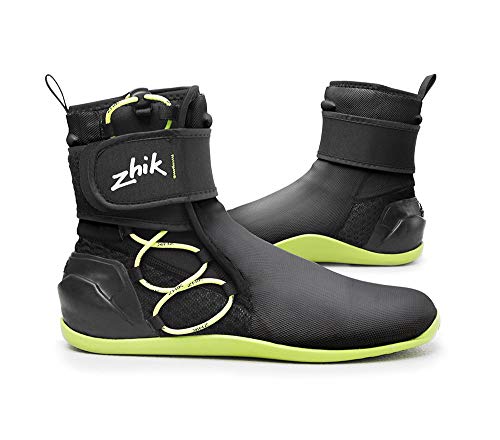 TOP CHOICEBest for lightweight dinghy sailingZhik Lightweight Dinghy Boot 5 GRAYView on Amazon
- 3
 TOP CHOICEBest for warm-water sailorsZhik Superthin Bootie Dinghy Sailing ShoeView on Amazon
- 4
 Best for ankle supportZhik Performance Ankle Boot, BlackView on Amazon
- 5
 Best for maximum coverageZhik Performance High Cut Boot, BlackView on Amazon
- 6
 Best budget pickGill 5mm Neoprene Aero BootsView on Amazon
Our Top Picks
Quick Comparison
| Product | Best for | Key feature |
|---|---|---|
| Zhik High Cut Dinghy Boot 5 GRAY | Dinghy sailors who want full shin coverage | High-cut shaft with 5 in the model name |
| Zhik Lightweight Dinghy Boot 5 GRAY | Sailors who value low weight and quick drying | Lightweight build for dinghy use |
| Zhik Superthin Bootie Dinghy Sailing Shoe | Warm-water and summer sailing | Thin profile for a close, sensitive feel |
| Zhik Performance Ankle Boot, Black | Sailors who want ankle support without a tall shaft | Ankle-height cut |
| Zhik Performance High Cut Boot, Black | Cold or spray-heavy conditions | High-cut shaft for leg protection |
| Gill 5mm Neoprene Aero Boots | Budget-minded paddlers and sailors | 5mm neoprene across multiple water sports |
Zhik High Cut Dinghy Boot 5 GRAY
Zhik High Cut Dinghy Boot 5 GRAY
Best for: Dinghy sailors who want full shin coverage and protection from hiking straps and hull edges.
This is a good fit for sailors who spend long sessions hiking out and want the boot to cover the lower leg. The high-cut design keeps water and debris out of the top of the boot better than a low shaft.
Key specs
- High-cut dinghy boot design
- Gray colorway, as named in the listing
- Designed for dinghy and water sport use
Pros
- Full shin coverage for hiking
- Keeps spray out of the top of the boot
- Suits sustained dinghy sessions
Cons
- Taller shaft can feel warmer in hot conditions
- Sizing should be checked carefully against your foot and calf
Bottom line: A strong choice for dinghy sailors who prioritize leg protection and hiking comfort over minimal weight.
View on AmazonZhik Lightweight Dinghy Boot 5 GRAY
Zhik Lightweight Dinghy Boot 5 GRAY
Best for: Sailors who value low weight and quick drying between sessions.
This boot suits sailors who move around a lot on the boat and want less bulk on their feet. Owners often report that lighter dinghy boots are easier to wear for a full day of racing or cruising.
Key specs
- Lightweight dinghy boot construction
- Gray colorway, as named in the listing
- Designed for dinghy sailing
Pros
- Lighter than heavier neoprene boots
- Comfortable for long days on the boat
- Good match for active dinghy sailing
Cons
- Less leg coverage than a high-cut boot
- Thinner material may offer less insulation in cold water
Bottom line: Best for sailors who want a lighter boot for active sailing and can accept less leg coverage.
View on AmazonZhik Superthin Bootie Dinghy Sailing Shoe
Zhik Superthin Bootie Dinghy Sailing Shoe – Black 0080 7 UK, Grey
Best for: Warm-water and summer sailing where a close, thin feel matters more than insulation.
The superthin bootie style is aimed at sailors who want good grip and feel on the deck without heavy neoprene. It is a practical choice for sheltered waters and warm weather.
Key specs
- Bootie-style sailing shoe
- Thin construction, as named in the listing
- Colorway listed as black/grey
Pros
- Close, sensitive feel on the deck and tiller
- Low bulk for warm days
- Easy to slip on and off
Cons
- Limited insulation for cold water
- Minimal ankle and shin protection
Bottom line: Pick this if you sail mostly in warm water and want maximum feel with minimal bulk.
View on AmazonZhik Performance Ankle Boot, Black
Zhik Performance Ankle Boot, Black
Best for: Sailors who want ankle support and a lower profile than a tall boot.
An ankle boot gives you support around the joint while keeping the shaft short enough to move freely. It suits sailors who do not need shin coverage but want more structure than a bootie.
Key specs
- Ankle-height cut
- Black colorway, as named in the listing
- Performance sailing boot design
Pros
- Ankle support without a tall shaft
- Easier to move in than high-cut boots
- Good balance of feel and protection
Cons
- Less shin protection than high-cut models
- Water can enter more easily at the top in heavy spray
Bottom line: A balanced choice for sailors who want ankle support and mobility without a full-length boot.
View on AmazonZhik Performance High Cut Boot, Black
Zhik Performance High Cut Boot, Black
Best for: Cold or spray-heavy conditions where leg coverage matters most.
This high-cut performance boot is for sailors who expect wet, cold conditions and want the shaft to cover the lower leg. It pairs well with a dry layer or foul weather trousers for a full wet-weather setup.
Key specs
- High-cut performance boot
- Black colorway, as named in the listing
- Designed for sailing and water sport use
Pros
- Strong leg coverage in spray and cold
- Good match for cold-weather dinghy sessions
- Pairs well with foul weather gear
Cons
- Heavier and warmer than ankle or bootie styles
- May be too warm for summer sailing
Bottom line: Best for sailors who regularly sail in cold or wet conditions and want maximum leg protection.
View on AmazonGill 5mm Neoprene Aero Boots
Gill 5mm Neoprene Aero Boots for All Water Sports, Dinghy Sailing, Paddle Sports, Paddleboarding and Surfing.
Best for: Budget-minded sailors and paddlers who need one boot for several water sports.
The Gill Aero boot is a neoprene option built for dinghy sailing, paddle sports, paddleboarding and surfing. It is a practical alternative for sailors who want a versatile boot without choosing a Zhik model.
Key specs
- 5mm neoprene construction, as named in the listing
- Designed for multiple water sports
- Suitable for dinghy sailing and paddling
Pros
- Versatile across several water sports
- 5mm neoprene offers useful insulation
- Good option for mixed paddle and sailing use
Cons
- Neoprene can take longer to dry than thinner materials
- Fit may differ from Zhik sizing, so check size charts closely
Bottom line: A solid pick for sailors and paddlers who want one versatile neoprene boot for mixed water activities.
View on AmazonBuying Guide
Boot Height and Coverage
Height decides how much of your shin and ankle stays dry and protected. Ankle boots allow the most movement, high-cut boots protect the lower leg from spray and hull contact, and booties keep weight and warmth to a minimum. Choose based on how often you hike out and how cold the water runs where you sail.
Good picks for this: Zhik High Cut Dinghy Boot 5 GRAY, Zhik Performance Ankle Boot, Black
Neoprene Thickness
Where the manufacturer states a neoprene thickness, that number tells you roughly how much insulation to expect. Thicker neoprene holds more warmth in cold water but takes longer to dry and feels heavier. Thin material suits warm-water sailing, where feel and quick drying matter more.
Good picks for this: Gill 5mm Neoprene Aero Boots, Zhik Superthin Bootie Dinghy Sailing Shoe
Weight and Comfort on the Boat
Boot weight adds up over a full day of hiking, tacking and moving around the deck. Lighter boots reduce fatigue, while heavier styles provide more structure and warmth. Owners often report that a lighter boot is easier to wear for long racing sessions.
Good picks for this: Zhik Lightweight Dinghy Boot 5 GRAY, Zhik Superthin Bootie Dinghy Sailing Shoe
Sizing and Fit
Wet-suit boots should fit snugly with no heel lift, and you should be able to wear them with a sock if you plan to. Measure your foot and compare against the brand size chart, since neoprene can stretch and sizing differs between brands. Leave enough room for a thin sock in cold water, but avoid loose sections where water can slosh around.
Good picks for this: Zhik Performance High Cut Boot, Black, Gill 5mm Neoprene Aero Boots
Grip and Sole Design
Deck grip matters when the boat heels and the deck gets wet. Look for a sole that gives you purchase on smooth fiberglass and non-slip surfaces. A bootie-style sole gives more feel, while a firmer sole can offer more stability on a sloping deck.
Good picks for this: Zhik Performance Ankle Boot, Black, Zhik Superthin Bootie Dinghy Sailing Shoe
Drying and Care
Rinse boots in fresh water after every session, especially if you sail in salt water. Dry them out of direct sun to protect the neoprene and bonding. Store them loosely so air can circulate. Thicker neoprene takes longer to dry, so plan for a spare pair if you sail back to back.
Good picks for this: Zhik Lightweight Dinghy Boot 5 GRAY, Gill 5mm Neoprene Aero Boots
Use Case: Dinghy Sailing Versus Paddling
Dinghy sailors need protection from hiking straps, hull edges and sustained spray. Paddlers need grip on boards and flexibility in the water. A boot that works for both is useful if you do mixed water sports, but a dedicated dinghy boot usually suits racing and hiking better.
Good picks for this: Gill 5mm Neoprene Aero Boots, Zhik High Cut Dinghy Boot 5 GRAY
FAQ
What does zhik 260 sailing boots mean?
The term refers to sailing boots from the Zhik line, which are neoprene-style footwear designed for dinghy sailing and water sports. Model names vary, so check the listing and size chart before you buy.
Are Zhik sailing boots good for cold water?
Thicker neoprene and high-cut designs provide more warmth and coverage. For cold water, choose a boot with a stated neoprene thickness and pair it with a warm sock or a dry layer.
How should sailing boots fit?
They should be snug, with no heel lift and no loose pockets where water can collect. Check the brand size chart, because neoprene fit varies between manufacturers.
Can I wear sailing boots for paddleboarding?
Many neoprene sailing boots suit paddle sports. Gill lists its Aero boot for dinghy sailing, paddle sports and paddleboarding, so it is a useful reference for mixed use.
How do I dry sailing boots properly?
Rinse after use, shake out water, and air dry in shade. Avoid direct heat and sun, which can degrade neoprene over time. Store them loosely so air can reach the interior.
Should I buy a high-cut or ankle boot?
Choose high-cut if you hike hard and sail in spray or cold. Choose an ankle boot if you want more movement and less bulk. A bootie suits warm-water sailing where feel matters most.
Conclusion
For most dinghy sailors, a high-cut boot offers the best leg protection, while a lightweight or ankle style suits active sailing with less bulk. Warm-water sailors may prefer a superthin bootie, and budget-minded sailors and paddlers can consider the Gill Aero neoprene boot. Match the boot height and neoprene thickness to your conditions, check sizing carefully, and rinse and dry your boots after every session to extend their life.
Sources
- Boating safety guidance, including requirements and recommendations for personal protection on the water (uscg.mil)
- Water safety resources for paddlers and small-boat users (nps.gov)
- Information on cold water immersion risks and hypothermia prevention (cdc.gov)
Before you buy: helpful guides
Related reading
- Dinghy Sailing Boots Uk (2026): Which Should You Choose?
- Aigle Dinghy Sailing Boots vs Musto Deck Boots: Which Should You Choose?
- 6 Best Musto Ocean Racer Sailing Boots for Offshore Crews (2026)
About Graham Fisher
Graham Fisher is part of our editorial team and reviews and edits our sailing gear guides, checking product details against manufacturer specifications and owner feedback.
About the author
Graham Fisher writes reviews and buying guides for Sailing The Web.