6 Best Wet Boots for Sailing: Picks for Dinghy and Deck Use (2026)
Compare six wet boots for sailing, from neoprene dive boots to rubber deck boots. See who each pair suits, what to check, and how to choose the right fit.
 By Graham Fisher
Updated November 24, 2026
 By Graham Fisher
Updated November 2026
Anyone who spends time on a boat knows the feeling of cold water sliding over the top of a shoe. Wet boots for sailing solve that problem by keeping feet warm, protected and grippy when spray, rain or bilge water turns the deck slippery. This list compares six pairs across three categories: thin neoprene boots for dinghy sailors, rubber deck boots for wet working decks, and a closed-cell bootie for cooler conditions. Each pick was judged on material thickness, sole grip, closure design, fit range and the patterns owners tend to report after months of use.
Our top picks at a glance
- 1TOP CHOICEBest overallGill 5mm Neoprene Aero BootsView on Amazon
- 2
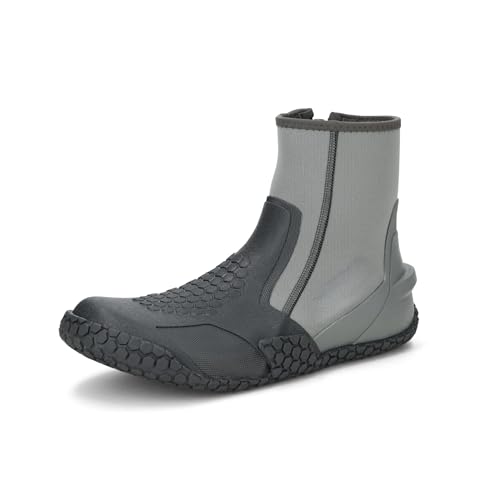 TOP CHOICEBest for cold-water dinghy racingSimms Men's Zipit Bootie II CinderView on Amazon
- 3
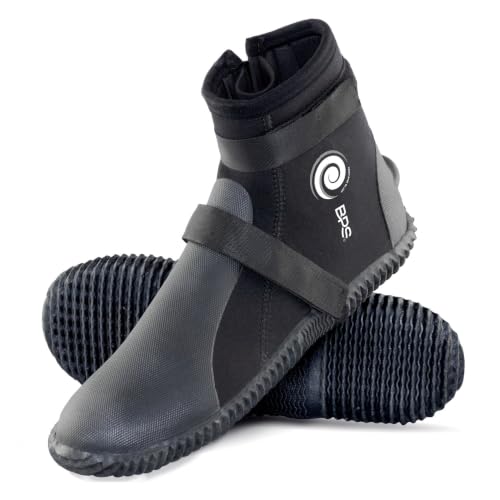 TOP CHOICEBest budget pickBPS 3mm Neoprene Dive BootsView on Amazon
- 4
 Best for slip-on convenienceSkyone Neoprene Dive BootsView on Amazon
- 5
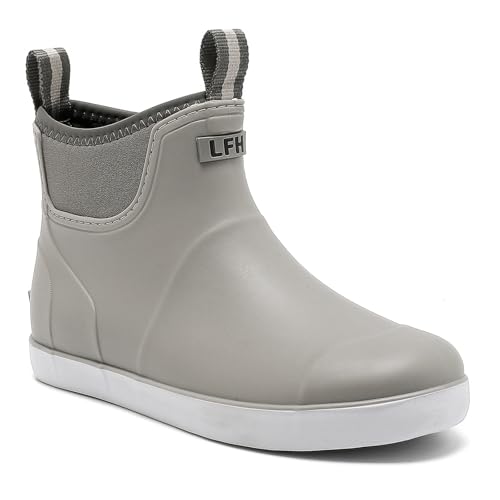 Best rubber option for wet working decksLezzglt Mens Deck Boots WaterproofView on Amazon
- 6
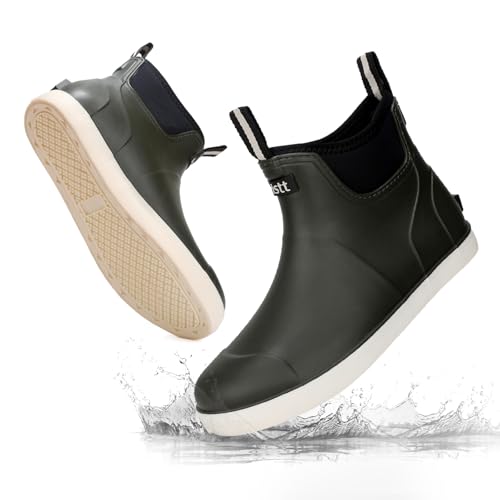 Best for boat chores in rainDeck Boots for Men Waterproof Rubber Ankle Rain BootsView on Amazon
Our Top Picks
The table below gives a fast side-by-side view. Read the individual sections for specs, trade-offs and who each boot suits best.
| Product | Best for | Key feature |
|---|---|---|
| Gill 5mm Neoprene Aero Boots | Dinghy sailing and paddle sports | 5mm neoprene with a sole built for wet deck grip |
| Simms Men’s Zipit Bootie II Cinder | Cold-water sailing and spray protection | Corrosion-resistant zipper and neoprene construction |
| BPS 3mm Neoprene Dive Boots | Budget-minded sailors and snorkelers | Rubberized anti-slip sole and slip-on design |
| Skyone Neoprene Dive Boots | Quick on-and-off use | 3mm neoprene with a premium rubber sole |
| Lezzglt Mens Deck Boots Waterproof | Wet, muddy or oily deck work | Full rubber construction with ankle height |
| Deck Boots for Men Waterproof Rubber Ankle Rain Boots | Rain, bilge water and boat chores | Anti-slip rubber outsole and waterproof upper |
Gill 5mm Neoprene Aero Boots
Gill 5mm Neoprene Aero Boots for All Water Sports, Dinghy Sailing, Paddle Sports, Paddleboarding and Surfing.
Best for: Dinghy sailing and paddle sports where warmth and flexibility both matter
These boots suit dinghy sailors, paddleboarders and surfers who want a thicker neoprene layer than a standard summer bootie. The 5mm thickness is aimed at cooler water and longer sessions.
Key specs
- 5mm neoprene construction (as stated in the listing name)
- Designed for dinghy sailing, paddle sports, paddleboarding and surfing
- Pull-on style with a neoprene upper
Pros
- Thicker neoprene holds heat better in cool water than 3mm boots
- Designed with multiple water sports in mind, so it works across uses
- Flexible enough for trapeze and hiking positions on a dinghy
Cons
- Thicker neoprene takes longer to dry than thinner options
- Sizing can run tight on wider feet, so check the size chart closely
Bottom line: The best choice for sailors who spend time on dinghies in cool water and want one boot for several water sports.
View on AmazonSimms Men’s Zipit Bootie II Cinder
Simms Men's Zipit Bootie II Cinder 11 | Waterproof, Neoprene Construction, Corrosion-Resistant Zipper
Best for: Cold-water sailing and spray protection
This bootie is aimed at anglers and boaters who want a zipped closure that stays sealed against spray. It suits sailors who find slip-on boots let water in at the ankle.
Key specs
- Neoprene construction (per the listing name)
- Corrosion-resistant zipper (per the listing name)
- Waterproof design (per the listing name)
Pros
- Zipper closure keeps water out better than a pull-on design
- Corrosion-resistant hardware suits salt environments
- Neoprene construction offers warmth in cold conditions
Cons
- Zipper adds a step to getting in and out compared with slip-on styles
- Bootie-style cut may feel snug with thick socks
Bottom line: A strong pick for cold, wet sailing where a sealed ankle matters more than quick removal.
View on AmazonBPS 3mm Neoprene Dive Boots
BPS 3mm Neoprene Dive Boots – Wet Suit Boots with Rubberized Anti-Slip Sole for Watersports Snorkeling Scuba Diving Wakeboarding Kayaking Canoeing – Slip on-and-Off Design (Size 6)
Best for: Budget-minded sailors and light, warm-water use
A practical choice for sailors who need a basic wet boot for warm-weather sailing, snorkeling or kayaking, without paying for heavier construction.
Key specs
- 3mm neoprene (per the listing name)
- Rubberized anti-slip sole (per the listing name)
- Slip-on and off design (per the listing name)
Pros
- Thinner neoprene dries faster and feels lighter on the foot
- Anti-slip sole helps on wet boat decks
- Easy slip-on design for quick changes
Cons
- 3mm thickness offers less insulation in cold water
- Thinner material may wear faster on rough surfaces
Bottom line: A sensible starter boot for warm-water sailing and general water sports.
View on AmazonSkyone Neoprene Dive Boots
Skyone Neoprene Dive Boots Men Women, 3MM Diving Scuba Shoes with Anti-Slip Premium Rubber Durable Sole, Wetsuit Boots Surf Booties for Beach Sailing Snorkeling Water Sports (3MM Black, Men 9 / Women
Best for: Quick on-and-off use around the beach and dock
These boots are built for sailors and divers who move between water and land often and want a shoe that is easy to pull on and rinse off.
Key specs
- 3mm neoprene (per the listing name)
- Premium rubber anti-slip sole (per the listing name)
- Sold in men’s and women’s sizing
Pros
- Anti-slip sole suits wet docks and boat steps
- Works for both men and women with clear size options
- Lightweight construction for all-day wear
Cons
- 3mm thickness is better for mild water than cold conditions
- Sizing from overseas listings can vary, so measure your foot first
Bottom line: A good match for warm-weather sailors who prize easy on-and-off wear.
View on AmazonLezzglt Mens Deck Boots Waterproof
Lezzglt Mens Deck Boots Waterproof, Rubber Ankle Rain Booties For Fishing | Saltwater High-performance Footwear Chelsea Boots for Gardening Boating Camping Sailing
Best for: Wet, muddy or oily deck work on sailboats
Full rubber boots suit sailors who handle lines, bilge pumps and engine work and need a boot that shrugs off water, mud and oil.
Key specs
- Waterproof rubber construction (per the listing name)
- Ankle height (per the listing name)
- Marketed for boating, sailing and fishing
Pros
- Fully waterproof upper keeps feet dry in standing water
- Rubber sole suits wet, cluttered deck work
- Easy to clean after oily or muddy work
Cons
- Rubber is less breathable than neoprene in warm weather
- Stiffer than neoprene, which can be tiring on long passages
Bottom line: Pick this if your boat life is hands-on and your boots need to survive rough deck work.
View on AmazonDeck Boots for Men Waterproof Rubber Ankle Rain Boots
Deck Boots for Men Waterproof Rubber Ankle Rain Boots Anti-Slip | Fishing Boots High-Performance Footwear Chelsea Boots for Gardening Boating Camping Sailing and Wet Outdoor Work.
Best for: Rain, bilge water and general boat chores
These ankle-height rubber boots fit sailors who spend much of their time at the dock, on a mooring or working around the boat in wet weather.
Key specs
- Waterproof rubber upper (per the listing name)
- Anti-slip outsole (per the listing name)
- Designed for boating, camping and wet outdoor work
Pros
- Ankle height keeps rain and splash off the lower leg
- Anti-slip outsole suits wet decks and docks
- Versatile enough for work around the boat and ashore
Cons
- No neoprene insulation, so cold feet are likely in chilly water
- Rubber can feel warm and damp inside on hot days
Bottom line: A practical rain-and-chores boot for sailors who mostly work on the dock or in mild conditions.
View on AmazonBuying Guide
Material and thickness
Neoprene is the standard for wet boots because it traps a thin layer of water that your body warms. Thicker neoprene insulates better, while thinner neoprene dries faster and feels lighter. For cool water, 5mm is a common reference point. For warm water, 3mm is usually enough. Rubber boots keep water out entirely but offer little insulation on their own.
Good picks for this: Gill 5mm Neoprene Aero Boots, BPS 3mm Neoprene Dive Boots
Sole grip
Look for a rubberized, anti-slip outsole with a tread pattern. Wet fiberglass, teak and aluminum decks all reduce traction, and a smooth sole can cause falls. Test the grip by standing on a wet tile floor before heading out.
Good picks for this: Skyone Neoprene Dive Boots, Deck Boots for Men Waterproof Rubber Ankle Rain Boots
Closure and ankle seal
Slip-on boots are fast to put on, but they let water in at the top if the fit is loose. Zippered boots seal better against spray. If you sail in spray-heavy conditions, a zipper is worth the extra step.
Good picks for this: Simms Men’s Zipit Bootie II Cinder, Gill 5mm Neoprene Aero Boots
Fit and sizing
Wet boots should fit snugly without pinching. Neoprene compresses slightly when wet, and thick socks reduce room. Measure your foot length in the afternoon, when feet are largest, and compare that to the manufacturer’s size chart. Leave room for a thin sock if you plan to wear one.
Good picks for this: Simms Men’s Zipit Bootie II Cinder, Skyone Neoprene Dive Boots
Use case
Dinghy sailors who hike out and trapeze need flexible boots with good grip. Cruising sailors doing deck work need durability and easy cleaning. Match the boot to your main activity rather than buying for every scenario.
Good picks for this: Gill 5mm Neoprene Aero Boots, Lezzglt Mens Deck Boots Waterproof
Durability and care
Rinse neoprene in fresh water after salt exposure and dry it away from direct heat, which can crack the material. Avoid folding wet boots tightly. Rubber boots tolerate harsher cleaning but should still be dried to prevent odor. Owners often report that regular rinsing extends the life of both materials.
Good picks for this: Deck Boots for Men Waterproof Rubber Ankle Rain Boots, BPS 3mm Neoprene Dive Boots
Water temperature
Choose thickness based on the water you sail in most, not the air temperature. Cold water can drop body temperature quickly even on warm days. If you sail in water below roughly 60°F for much of the season, lean toward thicker neoprene or a sealed bootie.
Good picks for this: Gill 5mm Neoprene Aero Boots, Simms Men’s Zipit Bootie II Cinder
FAQ
Are neoprene boots better than rubber boots for sailing?
It depends on the conditions. Neoprene insulates even when wet, which helps in cool water. Rubber keeps water out entirely but offers less warmth. Many sailors own both and switch based on the day.
How thick should wet boots for sailing be?
For warm water, 3mm neoprene is often enough. For cooler water, 5mm is a common choice. Thickness affects warmth, dry time and flexibility, so pick based on your typical water temperature.
Can I wear wet boots on a boat all day?
Yes, but comfort depends on fit and material. Neoprene feels softer over long hours, while rubber can feel stiff. Choose a boot that fits well with the socks you plan to wear.
Do wet boots need a non-slip sole?
A non-slip sole is strongly recommended. Wet decks are slippery, and a grippy tread reduces the risk of falls. Look for a rubberized outsole with a visible tread pattern.
How should I dry and store wet boots?
Rinse them in fresh water after salt exposure, then air dry in a shaded, ventilated spot. Avoid direct heat, which can damage neoprene. Store them loosely rather than folded to prevent creasing.
Are wet boots the same as deck shoes?
No. Deck shoes are designed for dry deck grip and everyday boat wear, while wet boots are built to keep feet warm and protected in water. For more on deck footwear, see 5 Best Sailing Deck Shoes for Boating and Wet Decks (2026).
Conclusion
For most dinghy sailors in cool water, the Gill 5mm Neoprene Aero Boots offer a practical balance of warmth and flexibility. Sailors who need a sealed closure in spray should consider the Simms Men’s Zipit Bootie II Cinder. Budget-minded sailors in warm water will find the BPS 3mm Neoprene Dive Boots a sensible starting point. For rough deck work, the Lezzglt Mens Deck Boots Waterproof suits oily and muddy conditions, while the Deck Boots for Men Waterproof Rubber Ankle Rain Boots cover rain and chores at the dock. If you are weighing these against other sailing gear, also see 5 Best Foul Weather Gear Sailings: Picks for Wet, Cold Days (2026) and Patagonia Foul Weather Gear: How to Choose the Right Layers for Sailing.
Sources
- Boating safety guidance, including cold-water exposure and personal protective equipment for boaters (uscg.mil)
- Water safety resources covering slip hazards and cold-water risk (nps.gov)
- Information on cold-water immersion and hypothermia prevention (cdc.gov)
Before you buy: helpful guides
Related reading
About Graham Fisher
Graham Fisher is part of our editorial team and reviews and edits our sailing gear guides, checking product details against manufacturer specifications and owner feedback.
About the author
Graham Fisher writes reviews and buying guides for Sailing The Web.