Top 6 Night Vision Marine Binoculars Compared for Boaters in 2026
Compare the best night vision marine binoculars for boating in 2026. See how each model handles low light, range, and rugged use, plus a buying guide.
 By Graham Fisher
Updated November 23, 2026
 By Graham Fisher
Updated November 2026
Anyone who spends time on the water after sunset eventually wants a way to see buoys, channel markers, other vessels, and shorelines when the light is gone. Night vision marine binoculars solve that problem by combining optics suited to wet, rolling conditions with sensors or light-gathering designs that help you pick out shapes in the dark. Not every product sold as night vision actually works the same way, though. Some use image intensification, some use thermal imaging, and some are simply large-aperture binoculars that gather more faint light. The six picks below are chosen by comparing published specifications, brand reputation, and the patterns owners commonly report, with attention to waterproofing, range, power source, and how each model suits real boating tasks.
Our top picks at a glance
- 1TOP CHOICEBest overallATN Binox 6 Dual Thermal Imaging BinocularsView on Amazon
- 2
 TOP CHOICEBest for marine use with compass and rangefinderAOMEKIE 7×50 Marine BinocularsView on Amazon
- 3
 TOP CHOICEBest for thermal detection at rangeAGM Global Vision ObservIR LRF 25-256 Fusion Thermal Imaging BinocularsView on Amazon
- 4
 Best for low-light viewing on a budget20×50 High Powered Binoculars for AdultsView on Amazon
- 5
 Best for digital recording4K Night Vision Binoculars for AdultsView on Amazon
- 6
 Best for compact night viewingSekoda Night Vision BinocularsView on Amazon
Our Top Picks
The table below gives a quick view of how the six products differ. Read the individual sections for specifications and trade-offs before deciding.
| Product | Best for | Key feature |
|---|---|---|
| ATN Binox 6 Dual Thermal Imaging Binoculars | Overall night performance | 640×512 thermal sensor with 4K day/night photo and video |
| AOMEKIE 7×50 Marine Binoculars | Marine use with compass and rangefinder | Fogproof floating design with BAK4 prisms |
| AGM Global Vision ObservIR LRF 25-256 Fusion Thermal Imaging Binoculars | Thermal detection at range | 256×192 thermal sensor with built-in laser rangefinder |
| 20×50 High Powered Binoculars for Adults | Low-light viewing on a budget | 50mm objective lens with low-light coatings |
| 4K Night Vision Binoculars for Adults | Digital recording | 36MP infrared night vision with 8X digital zoom |
| Sekoda Night Vision Binoculars | Compact night viewing | Lightweight night vision design |
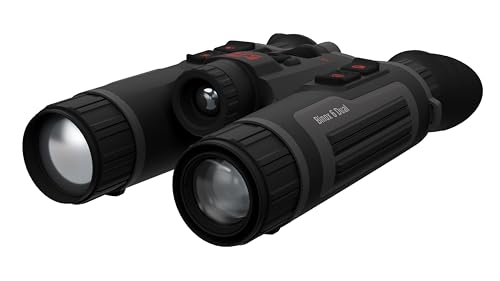
ATN Binox 6 Dual Thermal Imaging Binoculars
ATN Binox 6 Dual Thermal Imaging Binoculars, 640×512, Laser Rangefinder | Night Vision + 4K Day/Night Photo & Video | Multispectral IR, Wildlife View
Best for: Overall night performance on larger or more demanding boats
This is the model for boaters who want thermal imaging that picks up people, vessels, and obstacles in total darkness or fog. It suits cruisers and offshore sailors who need to spot a moored boat or a swimmer beyond the reach of a spotlight.
Key specs
- 640×512 thermal sensor
- Laser rangefinder
- 4K day and night photo and video capture
- Multispectral infrared viewing modes
Pros
- Thermal imaging works in conditions where visible light fails
- Records photo and video for logs or incident reporting
- Rangefinder helps estimate distance to targets
Cons
- Thermal units are heavier and use more power than standard binoculars
- Learning the display modes takes practice before a night passage
Bottom line: Choose this if thermal detection is your priority and you can handle the weight and power demands.
View on AmazonAOMEKIE 7×50 Marine Binoculars
AOMEKIE 7×50 Marine Binoculars For Adult Waterproof Rangefinder & Compass | FMC Optics with BAK4 Prism, Fogproof Floating Binoculars for Boating, Fishing, Birdwatching & Hunting & More
Best for: Marine use with compass and rangefinder
This model is built around the marine environment rather than military or hunting use. It suits sailors and powerboaters who want a fogproof, floating design for everyday navigation and watch duties, with optics that also work in dim conditions at dusk and dawn.
Key specs
- 7×50 magnification and objective lens size
- BAK4 prisms
- Built-in rangefinder and compass
- Waterproof and fogproof construction
Pros
- Floating body is useful if a strap or case goes overboard
- The 50mm objective gathers more light than smaller binoculars
- Compass and rangefinder suit navigation tasks
Cons
- Standard optics do not produce true night vision, so darkness still limits detail
- Full-size binoculars are heavier to hold steady in a seaway
Bottom line: A strong choice for sailors who want reliable marine binoculars with bonus navigation features and low-light capability.
View on AmazonAGM Global Vision ObservIR LRF 25-256 Fusion Thermal Imaging Binoculars
AGM Global Vision ObservIR LRF 25-256 Fusion Thermal Imaging Binoculars | 25mm Lens, 256×192 12μm Thermal Sensor, 4K Optical Channel, Built-in Laser Rangefinder, OLED Display, WiFi
Best for: Thermal detection at range
This product combines a thermal sensor with a 4K optical channel and a laser rangefinder. It suits boaters who want to scan wide areas for heat signatures, such as people in the water or running lights in fog, and then measure distance.
Key specs
- 25mm lens
- 256×192 12μm thermal sensor
- 4K optical channel
- Built-in laser rangefinder and OLED display
- WiFi connectivity
Pros
- Fusion mode can blend thermal and optical images
- Rangefinder is useful for estimating distance to hazards
- WiFi allows image transfer to a phone
Cons
- The smaller 25mm lens gathers less visible light than a 50mm binocular
- Thermal units need battery management on long passages
Bottom line: Suited to boaters who want thermal range and a rangefinder in one handheld unit.
View on Amazon20×50 High Powered Binoculars for Adults
20×50 High Powered Binoculars for Adults, Waterproof Compact Binoculars with Low Light Vision for Bird Watching Hunting Camping Travel Cruise Hiking Sports Stargazing, Christmas Birthday Gifts for Men
Best for: Low-light viewing on a budget
This is a conventional high-power binocular with a 50mm objective lens and low-light coatings. It suits sailors who want better dusk and night viewing than a compact glass offers, without the cost or power needs of thermal equipment.
Key specs
- 20x magnification
- 50mm objective lens
- Waterproof construction
Pros
- Large objective lens gathers more light for dim scenes
- No batteries required for basic viewing
- Lower entry point than thermal or image-intensified models
Cons
- 20x magnification is hard to hold steady on a moving boat without a support
- Does not show true thermal or infrared images in total darkness
Bottom line: Pick this if you want the best low-light performance from conventional optics and can accept limited capability in complete darkness.
View on Amazon4K Night Vision Binoculars for Adults
4K Night Vision Binoculars for Adults, 8X Digital Zoom, 1300FT Range | 36MP Infrared Night Vision Goggles , Built-in Flashlight & Compass, 5000mAh Battery, for Camping & Hiking, Gift for man
Best for: Digital recording
This infrared night vision model includes a 36MP sensor, 8X digital zoom, and a built-in flashlight and compass. It suits users who want to record what they see after dark for logging or sharing.
Key specs
- 4K resolution
- 8X digital zoom
- 36MP infrared night vision
- Built-in flashlight and compass
- 5000mAh battery
Pros
- Records images and video for later review
- Built-in flashlight and compass add utility
- Large battery supports longer use between charges
Cons
- Digital zoom reduces detail compared with optical zoom
- Not designed specifically for marine spray and salt exposure, so check waterproof rating before use
Bottom line: A good choice for boaters who value recording and a multipurpose unit, provided they confirm its water resistance.
View on AmazonSekoda Night Vision Binoculars
Sekoda Night Vision Binoculars
Best for: Compact night viewing
This product is a compact night vision option for users who want something smaller to carry in a jacket pocket or dry bag. It suits day-sail and small-boat owners who need occasional night capability without a heavy unit.
Key specs
- Lightweight night vision design
- Compact body for easy stowage
Pros
- Easy to store and carry aboard small craft
- Simple operation for occasional use
- Lower weight reduces arm fatigue
Cons
- Limited specifications are published compared with other models, so verify details before buying
- Compact optics typically have less light-gathering capacity than full-size binoculars
Bottom line: Consider this for small-boat sailors who prioritize portability over maximum range.
View on AmazonBuying Guide
Night vision technology type
Night vision marine binoculars use one of three main methods. Image intensifiers amplify faint ambient light and work best with some moonlight or starlight. Thermal imagers detect heat and show people, engines, and vessels even in total darkness or fog. Conventional large-aperture binoculars gather more light but do not create an image from infrared. Know which method you need before comparing models.
Good picks for this: ATN Binox 6 Dual Thermal Imaging Binoculars, AGM Global Vision ObservIR LRF 25-256 Fusion Thermal Imaging Binoculars
Objective lens size and magnification
Objective lens diameter controls how much light reaches your eyes. A 50mm lens gathers considerably more light than a 25mm lens. Magnification, such as 7x or 20x, determines how close things appear, but higher magnification amplifies hand shake on a moving deck. For most boat use, a moderate magnification with a larger objective lens gives steadier, more useful views.
Good picks for this: AOMEKIE 7×50 Marine Binoculars, 20×50 High Powered Binoculars for Adults
Waterproofing and marine construction
Check the waterproof rating and whether the body is nitrogen-purged or sealed against fog. Salt spray, condensation, and rain are constant threats at sea. Floating designs help if a unit goes overboard. Look for explicit waterproof and fogproof statements in the manufacturer specifications.
Good picks for this: AOMEKIE 7×50 Marine Binoculars, 4K Night Vision Binoculars for Adults
Power source and battery life
Thermal and digital night vision units rely on batteries. Check battery capacity in milliamp-hours and how many hours of operation the manufacturer specifies. Carry spare batteries or a charging method for multi-day passages. Conventional binoculars need no power at all, which is an advantage for emergency use.
Good picks for this: 4K Night Vision Binoculars for Adults, AGM Global Vision ObservIR LRF 25-256 Fusion Thermal Imaging Binoculars
Rangefinders, compass and navigation features
A built-in laser rangefinder estimates distance to buoys, shorelines, or other vessels. A compass helps with bearings. These features are useful for navigation but add weight and complexity. Decide whether you need them or whether a separate handheld GPS or chartplotter covers navigation better.
Good picks for this: AOMEKIE 7×50 Marine Binoculars, ATN Binox 6 Dual Thermal Imaging Binoculars
Size, weight and fit
Thermal and digital units tend to be heavier than conventional glass. On a boat, a heavy unit is harder to hold steady in a seaway. Try to hold the binoculars at arm’s length for a few minutes if possible, and consider a lanyard or harness so you do not drop them on a wet deck.
Good picks for this: Sekoda Night Vision Binoculars, AOMEKIE 7×50 Marine Binoculars
Durability and care
Rinse binoculars with fresh water after salt exposure, dry them thoroughly, and store them in a padded case or dry bag. Keep lens covers on when not in use. Avoid leaving thermal or night vision units in direct sun, since heat can damage sensors. Follow the manufacturer’s cleaning instructions for lenses and coatings.
Good picks for this: 20×50 High Powered Binoculars for Adults, ATN Binox 6 Dual Thermal Imaging Binoculars
FAQ
Can marine binoculars see in total darkness?
Standard marine binoculars cannot see in total darkness because they only gather existing light. Image-intensified night vision needs some ambient light, such as starlight or moonlight. Thermal imaging is the only type that shows heat signatures in complete darkness or fog.
What is the difference between night vision and thermal imaging?
Night vision amplifies faint visible or near-infrared light to create an image. Thermal imaging detects heat emitted by objects and displays it as a picture. Thermal units generally perform better in fog and total darkness but usually cost more and require more power.
Are night vision binoculars waterproof enough for boating?
Some are, but waterproof ratings vary. Check the manufacturer’s stated rating and whether the unit is rated for splash, immersion, or fog. Marine-specific binoculars are typically built with sealed bodies to handle salt spray and condensation better than general-purpose night vision models.
What magnification should I choose for boating?
Many boaters find 7x magnification easiest to hold steady on a moving vessel. Higher magnification like 20x shows more detail at range but amplifies motion, so a tripod or rail mount becomes important.
How long do the batteries last?
Battery life depends on the model, screen brightness, and whether recording is active. Check the manufacturer’s stated run time and plan to carry spare batteries or charging capacity for longer trips.
Do I still need a chartplotter or radar if I have night vision binoculars?
Yes. Binoculars supplement navigation but do not replace radar, AIS, GPS, or charts. They are a visual aid for spotting hazards and confirming what you see on electronic instruments. Use them alongside proper navigation equipment and follow the COLREGS rules for your waters.
For guidance on safe boating practices and navigation equipment, consult a qualified marine instructor or the relevant coast guard authority.
Conclusion
For most boaters, the choice comes down to whether you need true thermal detection or simply better low-light viewing. The ATN Binox 6 is the strongest overall option for thermal performance and recording. The AOMEKIE 7×50 suits sailors who want marine-focused construction with a compass and rangefinder. The AGM ObservIR LRF 25-256 fits those who value thermal range and rangefinding in one handheld unit. The 20×50 High Powered Binoculars offer the best low-light performance from conventional optics at a lower complexity level. The 4K Night Vision Binoculars suit anyone who wants to record their view, and the Sekoda model is a compact choice for small boats. Match the technology to your typical conditions and check waterproof ratings before you buy.
Sources
- Coast Guard guidance on navigation safety, lookout duties and visibility at night (uscg.mil)
- Information on low-light observation, wildlife viewing and optical equipment care (nps.gov)
- Standards and measurement background relevant to optical and sensor performance (nist.gov)
Related reading
- Marine Binoculars with Stabilizers: 6 Best Picks for Boaters (2026)
- 7 Best Marine Image Stabilized Binoculars for Boating (2026)
- 6 Best Steiner Military Marine Binoculars for Boating (2026)
- West Marine Telescoping Boat Hook: 7 Best Picks for Docking (2026)
- West Marine Inflatable Life Jacket: 5 Best Picks for Boaters (2026)
- West Marine Floating and Telescoping Boat Hook: 5 Best Picks for Docking (2026)
About Graham Fisher
Graham Fisher is part of our editorial team and reviews and edits our sailing gear guides, checking product details against manufacturer specifications and owner feedback.
About the author
Graham Fisher writes reviews and buying guides for Sailing The Web.