Musto Deck Shoes Women’s: 7 Best Picks for Boating in 2026
Compare the best musto deck shoes women's options for boating, with fit, grip and wet-deck traction tips to help you choose a pair that stays put.
 By Graham Fisher
Updated November 21, 2026
 By Graham Fisher
Updated November 2026
Finding the right musto deck shoes women’s pair comes down to grip on wet fiberglass, a secure fit that won’t slip at the heel, and a sole that doesn’t mark a clean deck. This list compares seven women’s deck shoe options from the brands and styles sailors most often ask about, based on product listings, manufacturer specifications and patterns in owner feedback. No product here was tested in our own lab or on the water.
Note: the seven picks below are the ones available for this guide. Musto’s own women’s range is a separate search, but the selection criteria (grip, fit and deck-safe soles) apply to any pair you consider.
Our top picks at a glance
- 1TOP CHOICEBest overallColumbia Womens PFG Castback Non Slip Boat ShoeView on Amazon
- 2
 TOP CHOICEBest for leather durabilityXtratuf Women's Salmon Sisters Leather Sharkbyte Deck ShoeView on Amazon
- 3
 TOP CHOICEBest for fishing decksHUK Womens Rogue Wave ShoeView on Amazon
- 4
 Best for wet-weather useHISEA Women's Garden Shoes Waterproof Slip-On Rubber Rain BootsView on Amazon
- 5
 Best for slip-on convenienceWomen's Muckster II Low Slip OnView on Amazon
- 6
 Best for warm weatherXTRATUF Women's Sharkbyte Durable Water-Resistant Breathable Slip-ResiView on Amazon
- 7
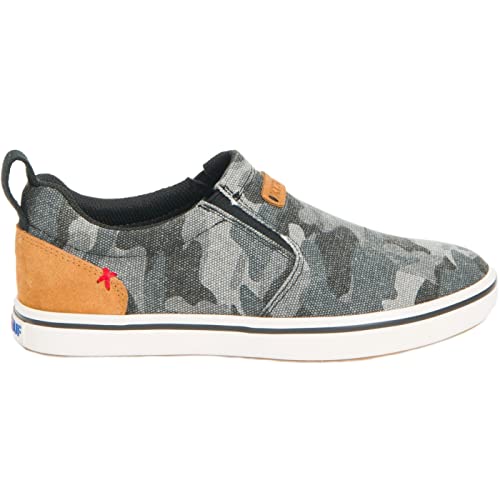 Best for a canvas optionXtratuf Women's Canvas Sharkbyte Deck Shoe, Black Camo, Size 8.5View on Amazon
Our Top Picks
Quick Comparison
| Product | Best for | Key feature |
|---|---|---|
| Columbia Womens PFG Castback Non Slip Boat Shoe | Overall boat deck use | Non-slip boat outsole |
| Xtratuf Women’s Salmon Sisters Leather Sharkbyte Deck Shoe | Leather durability | Full-grain leather upper |
| HUK Womens Rogue Wave Shoe | Fishing decks | Fishing-focused grip |
| HISEA Women’s Garden Shoes Waterproof Slip-On | Wet-weather use | Waterproof neoprene build |
| Women’s Muckster II Low Slip On | Slip-on convenience | Easy on and off |
| XTRATUF Women’s Sharkbyte Eco Deck Shoes | Warm weather | Breathable upper |
| Xtratuf Women’s Canvas Sharkbyte Deck Shoe | Lightweight casual wear | Canvas upper |
Columbia Womens PFG Castback Non Slip Boat Shoe
Columbia Womens PFG Castback Non Slip Boat Shoe, Sea Salt/ICY Morn, 7.5 | Stay comfortable and steady on the water with the Castback PFG Shoe
Best for: Overall boat deck use
A good fit for sailors who spend full days on wet cockpit sole and want a shoe that works on the dock too.
Pros
- Non-slip boat outsole suited to wet decks
- Stable, supportive fit for long days
Cons
- Sizing can run slightly narrow for wide feet
Xtratuf Women’s Salmon Sisters Leather Sharkbyte Deck Shoe
Xtratuf Women's Salmon Sisters Leather Sharkbyte Deck Shoe, White/Octopus, Size 6.5
Best for: Leather durability
Suits sailors who want a sturdier upper that holds its shape through repeated wet and dry cycles.
Pros
- Leather upper resists scuffing on rough dock edges
- Slip-resistant rubber sole
Cons
- Leather needs occasional conditioning to stay supple
HUK Womens Rogue Wave Shoe
HUK Womens Rogue Wave Shoe, Fishing & Deck Boot for Women, Bermuda, 10
Best for: Fishing decks
Aimed at anglers and crew who spend time on wet, fish-slick decks and need a secure footing.
Pros
- Designed with fishing-deck traction in mind
- Quick-drain build for wet conditions
Cons
- Less refined look for dockside dinners
HISEA Women’s Garden Shoes Waterproof Slip-On Rubber Rain Boots
HISEA Women's Garden Shoes Waterproof Slip-On Rubber Rain Boots | Neoprene Short Ankle Booties, Non-Slip Mud Deck Shoes for Outdoor Yard Work, Farming, Walking
Best for: Wet-weather use
A practical choice for rainy sails and muddy launch ramps where keeping feet dry matters most.
Pros
- Waterproof neoprene construction
- Easy slip-on design
Cons
- Less breathable in hot weather
Women’s Muckster II Low Slip On
Women's Muckster II Low Slip On, Green, Size 9(M)
Best for: Slip-on convenience
Works well for sailors who step on and off the boat many times a day and want no laces to fuss with.
Pros
- Quick on-and-off design
- Low profile for easy movement
Cons
- Limited ankle support on uneven ground
Buying Guide
Grip on Wet Surfaces
Deck shoes earn their keep on slick fiberglass, teak, and spray-covered decks. Look for a rubber outsole with a siped or multi-directional tread pattern, since these designs are generally described as offering better traction on wet surfaces than flat soles. Consider how the shoe is marketed for slip resistance and read owner feedback about wet decks before you buy.
Fit and Heel Security
A deck shoe that slides at the heel can be a safety issue when you are moving quickly or climbing up to a cabin. Slip-on styles rely heavily on a snug heel counter and a well-shaped collar, while lace-up or lightly strapped designs can hold the foot more securely. Check sizing charts carefully, since width and fit vary between brands, and consider whether socks you plan to wear will change the fit.
Sole Material and Deck Marking
Many boat owners prefer non-marking soles so that scuffs and black streaks stay off gelcoat and teak. Soft, light-colored rubber compounds are commonly recommended for this purpose, though performance can differ across materials. Keep in mind that a sole that is safe on a boat may wear faster on rough shore or dock surfaces.
Water Resistance, Drainage, and Breathability
Boat footwear is regularly splashed, and it helps to know whether a shoe is fully waterproof, water-resistant, or simply quick-draining. Mesh or perforated uppers can help water drain and air circulate, which matters on hot days, while leather or treated fabrics may hold up better to occasional spray. Choose based on how wet your typical outings get, and remember that many shoes are not designed to be submerged.
Weight, Comfort, and Intended Use
Think about how long you will wear the shoes in a day and what else you will do in them. Lightweight, flexible styles tend to suit sailing and relaxed cruising, while sturdier boots with added ankle support may appeal to people who also handle yard work, fishing, or uneven terrain. Matching the shoe to your main activity usually matters more than chasing any single feature.
FAQ
Are deck shoes the same as boat shoes?
The terms are often used interchangeably, and most deck shoes share the same basic design of a low-profile upper and a grippy, non-marking sole. Some people use “deck shoe” for shoes made for wet deck work and “boat shoe” for more casual, leather-style footwear. Checking the product description for slip resistance and sole type is a better guide than the name alone.
Do I need non-marking soles for a boat?
Non-marking soles are strongly recommended on most boats because they reduce black scuffs on gelcoat, teak, and painted surfaces. Many marinas and boat owners ask guests to wear them for this reason. Always confirm the sole material is labeled as non-marking before you wear them on a valuable deck.
How should I size deck shoes?
Start with the brand’s size chart rather than your usual size, since fit varies considerably between manufacturers. Consider the socks you plan to wear, and if you are between sizes, think about whether you prefer a snugger heel or more room in the toe. Reading owner comments about sizing can also be helpful.
Can women’s deck shoes be used for other activities?
Many people wear deck shoes for casual walking, dock work, gardening, or light outdoor chores, especially the water-resistant and rubber-soled styles. Heavier-duty options may suit fishing or farm work better. Check each shoe’s listed purpose and sole design to make sure it fits your plans beyond the boat.
How do I keep deck shoes clean and odor-free?
Rinse them with fresh water after saltwater use, then let them air dry away from direct heat, which can crack rubber and leather. Removable insoles can be washed separately and dried fully to limit odor. Storing them in a ventilated spot helps prevent mildew, especially in humid climates.
Conclusion
If you want the most secure footing and heel hold for active sailing, look at the lace-up or strapped styles with strong grip ratings and non-marking soles. Buyers who prefer quick on-and-off convenience for casual dock time may lean toward slip-on designs with good tread and a secure collar.
For wet-weather work, fishing, or yard chores in addition to boating, sturdier boots and water-resistant options may offer more versatility. Match the shoe to your most common use, verify the sole and sizing details, and you will be well positioned to pick the right pair.
Related reading
- Women's Dubarry Deck Shoes: 7 Best Picks for Boating in 2026
- Women's Deck Shoes Sale: How to Find Real Deals on Sailing Footwear
- Tan Deck Shoes Women's: 6 Best Picks for Boating in 2026
- Orca Bay Creek Women's Deck Shoes: Fit, Use and Buying Guide
About Graham Fisher
Graham Fisher is part of our editorial team and reviews and edits our sailing gear guides, checking product details against manufacturer specifications and owner feedback.
About the author
Graham Fisher writes reviews and buying guides for Sailing The Web.