6 Best Heavy Duty Boat Hooks for Docking and Mooring (2026)
Compare six heavy duty boat hooks for docking and mooring, with telescoping, stainless, fiberglass and marine-steel options matched to real sailing needs.
 By Owen Palmer
Updated November 9, 2026
 By Owen Palmer
Updated November 2026
A heavy duty boat hook is one of the most useful pieces of deck gear you can carry, but the wrong one can bend under load, rust at the head, or fail to reach a cleat when the wind is pushing you off the dock. This guide compares six heavy duty boat hooks for docking, mooring pickup and line handling. The selection criteria are construction materials, maximum reach and stowed length, head design and how securely it grips a line, weight and handling, and the kind of owner each model tends to suit. The comparison is based on manufacturer specifications, brand reputation, and patterns that owners commonly report, not on any personal testing.
Our top picks at a glance
- 1TOP CHOICEBest overallBoat Hook for Docking with 5-12 ft Telescoping Extension PoleView on Amazon
- 2
 TOP CHOICEBest for traditional aluminum fittingsGarelick by Attwood Heavy Duty Telescoping Boat HookView on Amazon
- 3
 TOP CHOICEBest for stainless constructionTelescoping Boat Hook Pole for Docking, 2.46-4.8ftView on Amazon
- 4
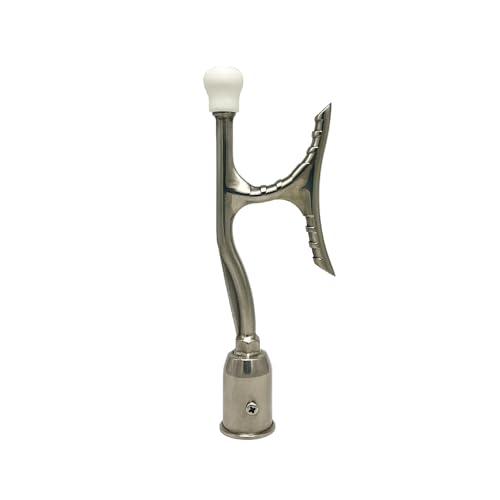 Best for marine-grade hooksAvibo Marine-Grade Steel Hook for Extension PoleView on Amazon
- 5
 Best for long reachTdrynl 13 FT Telescoping Boat Hook for DockingView on Amazon
- 6
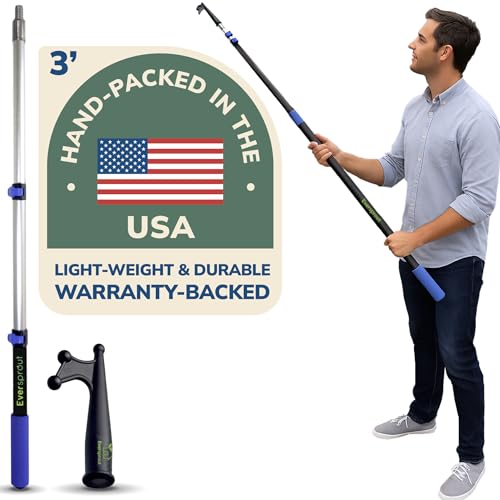 Best budget pickEVERSPROUT Telescoping Pole Boat Hook, 1.5 to 3 FtView on Amazon
Our Top Picks
Quick Comparison
| Product | Best for | Key feature |
|---|---|---|
| Boat Hook for Docking with 5-12 ft Telescoping Extension Pole | Overall docking and push-pull use | 5–12 ft telescoping reach, floating pole |
| Garelick by Attwood Heavy Duty Telescoping Boat Hook | Owners who want an established aluminum hook | Anodized aluminum, marine composite head |
| Telescoping Boat Hook Pole for Docking, 2.46-4.8ft | Small boats and tight stowage | Stainless reinforced tube, short collapsed length |
| Avibo Marine-Grade Steel Hook for Extension Pole | Owners who want a replaceable hook head | Marine-grade steel hook for extension poles |
| Tdrynl 13 FT Telescoping Boat Hook for Docking | Reaching cleats and moorings from the deck | 13 ft four-stage fiberglass pole |
| EVERSPROUT Telescoping Pole Boat Hook, 1.5 to 3 Ft | Dinghies and short-reach tasks | Compact non-slip pole, floats in water |
Boat Hook for Docking with 5-12 ft Telescoping Extension Pole
Boat Hook for Docking with 5-12 ft Telescoping Extension Pole for Boating | Durable, Floating, Lightweight & Sturdy Telescoping Boat Hook Pole // The Ultimate Pool for Docking, Push-Pull and Boating
Best for: Overall docking and push-pull work on cruising boats and dinghies with extra reach needs.
This model suits sailors who handle a mix of dock lines, fenders and push-pull tasks and want one pole that extends far enough to reach a piling without leaning over the rail.
Key specs
- Telescoping extension from roughly 5 to 12 ft, per the listing
- Designed to float, which helps if it is dropped overboard
- Lightweight construction intended for one-handed use
Pros
- Extended reach covers most standard dock and piling heights
- Floating pole reduces the risk of losing it overboard
- Lightweight design is easier to hold steady at full extension
Cons
- Lightweight poles can flex more than heavier models at full length
- Head strength under heavy side loads depends on careful use
Bottom line: A strong first choice for owners who want maximum reach and a floating pole for general docking.
View on AmazonGarelick by Attwood Heavy Duty Telescoping Boat Hook
Garelick by Attwood Heavy Duty Telescoping Boat Hook, 3.5 to 8 ft.. | 3.5 to 8 ft. heavy duty telescoping boat hook, 3 sections, anodized aluminum, marine composite head, for docking etc. 55170
Best for: Owners who want an established aluminum hook with a marine composite head.
This is a traditional choice for sailors who prefer aluminum sections and a well-known brand, particularly for docking and grabbing lines or rings at the dock.
Key specs
- Telescoping range listed as 3.5 to 8 ft
- Three sections, anodized aluminum construction
- Marine composite head
Pros
- Anodized aluminum resists corrosion better than bare metal
- Three-section design packs down compactly for stowage
- Composite head is less likely to scratch hulls or docks
Cons
- Maximum reach is shorter than the longest telescoping poles on this list
- Aluminum sections can dent if dropped on hard surfaces
Bottom line: A sensible pick for owners of mid-size boats who want a dependable, well-known hook at moderate reach.
View on AmazonTelescoping Boat Hook Pole for Docking, 2.46-4.8ft
Telescoping Boat Hook Pole for Docking, 2.46-4.8ft Boat Hook long handle heavy duty made of stainless reinforced tube non-slip sturdy rustproof easy to carry design essential boat accessories.(4.8ft)
Best for: Small boats and tight stowage where a short, sturdy pole matters most.
Owners of small sailboats, tenders and day sailers often need a hook that fits in a locker or along a lifeline. This model keeps the collapsed length short.
Key specs
- Telescoping range listed as 2.46 to 4.8 ft
- Stainless reinforced tube, per the listing
- Non-slip grip and rustproof construction
Pros
- Short collapsed length fits small lockers easily
- Stainless construction suits saltwater exposure
- Light enough for extended single-handed use
Cons
- Maximum reach is limited for higher docks or larger cruisers
- Short poles give less leverage when pulling heavy lines
Bottom line: Best for small-boat owners who need a robust hook that stows out of the way.
View on AmazonAvibo Marine-Grade Steel Hook for Extension Pole
Avibo Marine-Grade Steel Hook for Extension Pole | Boat, Ship, and Open Ocean Marine-Grade Steel Hook | Grab Lines | Dock Boats | Extend Reach
Best for: Owners who want a dedicated marine-grade steel hook head to pair with an extension pole.
This product is a hook head rather than a complete pole, suited to sailors who already have a suitable extension pole or who want to upgrade the business end of their hook.
Key specs
- Marine-grade steel hook, per the listing
- Designed for use with extension poles
- Intended for grabbing lines and docking
Pros
- Steel head is more resistant to bending than thin alloy hooks
- Works as an upgrade to an existing extension pole
- Simple, focused design with few parts to fail
Cons
- Not a full pole, so it requires a compatible extension pole
- Steel adds weight at the end of the pole, which can tire the arm
Bottom line: Ideal for owners who already own a pole and want a stronger, marine-grade hook head.
View on AmazonTdrynl 13 FT Telescoping Boat Hook for Docking
Tdrynl 13 FT Telescoping Boat Hook for Docking, Fiberglass Extension Pole | 4-Stage Telescoping Boat Hook Pole, Heavy Duty Floating Lightweight Insulated Design with 3/4" Thread for Push-Pull Tasks
Best for: Reaching cleats, moorings and rings from the deck of larger cruising boats.
Sailors on larger boats or those who often pick up moorings from the bow will value the extra reach of a 13 ft pole.
Key specs
- Listed as 13 ft, four-stage telescoping design
- Fiberglass construction, insulated, per the listing
- 3/4″ thread for compatible attachments, per the listing
Pros
- Long reach covers most mooring and piling needs from the deck
- Fiberglass is lightweight relative to its length
- Threaded end allows attachment of compatible heads
Cons
- Long poles are harder to control in wind at full extension
- Four stages add more joints where stiffness can vary
Bottom line: A good match for owners who regularly need reach beyond the rail and accept some handling trade-offs.
View on AmazonEVERSPROUT Telescoping Pole Boat Hook, 1.5 to 3 Ft
EVERSPROUT Telescoping Pole Boat Hook, 1.5 to 3 Ft, 6+ Ft Reach, Non-Slip | Floats in Water, Rust Resistant, for Heavy-Duty Docking or Controlling a Vessel, Supports 100+ lbs Compacted, 30 lbs Extende
Best for: Dinghies and short-reach tasks where a compact, budget-friendly hook is enough.
This budget-oriented pole suits dinghy sailors and anyone who needs a simple hook for close-range work around the dock or tender.
Key specs
- Telescoping range listed as 1.5 to 3 ft
- Non-slip grip and rust-resistant construction, per the listing
- Floats in water, per the listing
Pros
- Very compact for dinghies and small storage spaces
- Floats, so it is easy to recover if dropped
- Simple design is easy to use with one hand
Cons
- Short reach is not enough for most cruising boats
- Lighter construction is less suited to heavy line loads
Bottom line: A practical budget pick for dinghies and close-quarters tasks, but not a cruiser’s main hook.
View on AmazonBuying Guide
Construction Material
Aluminum is light and common, but it dents. Stainless steel resists corrosion well in saltwater and holds its shape under load. Fiberglass is light and does not conduct electricity, which can matter near shore power. Check whether the hook head is cast, forged or stamped, since the head is where most failures occur.
Good picks for this: Telescoping Boat Hook Pole for Docking, 2.46-4.8ft; Avibo Marine-Grade Steel Hook for Extension Pole
Maximum Reach and Stowed Length
Measure the height from your deck to the typical dock cleat or mooring pickup point, then add a margin. Also measure the locker or lifeline space where the pole will live when collapsed. A pole that reaches far but will not fit your stowage often goes unused.
Good picks for this: Boat Hook for Docking with 5-12 ft Telescoping Extension Pole; Tdrynl 13 FT Telescoping Boat Hook for Docking
Hook Head Design and Grip
Look for a head that is shaped to grab rings, cleats and lines securely, with a profile that will not slip off when you pull. Composite heads protect hull finishes and dock surfaces. Metal heads grip better on slippery lines but can scratch gelcoat if you are careless.
Good picks for this: Garelick by Attwood Heavy Duty Telescoping Boat Hook; Avibo Marine-Grade Steel Hook for Extension Pole
Locking Mechanism and Joint Stability
Telescoping sections should lock firmly at each extension. Check that the locking collars or twist-locks engage fully before you push. Loose sections are a common cause of bending and sudden collapse when the pole is loaded from the side.
Good picks for this: Garelick by Attwood Heavy Duty Telescoping Boat Hook; Tdrynl 13 FT Telescoping Boat Hook for Docking
Weight and Balance
A heavy head at the end of a long pole tires the arm quickly. Lighter poles are easier to hold steady at full extension, but may flex more. Hold any pole you are considering at its full length if you can, and notice how it feels after a minute.
Good picks for this: Boat Hook for Docking with 5-12 ft Telescoping Extension Pole; EVERSPROUT Telescoping Pole Boat Hook, 1.5 to 3 Ft
Corrosion Resistance and Care
Rinse saltwater off the pole after each outing, dry the telescoping sections, and check the locking hardware for corrosion. Anodized aluminum and stainless components hold up better than untreated steel. Lubricate moving joints lightly if the manufacturer recommends it.
Good picks for this: Telescoping Boat Hook Pole for Docking, 2.46-4.8ft; Garelick by Attwood Heavy Duty Telescoping Boat Hook
Matching the Hook to Your Boat
A dinghy needs a compact pole that stows easily and handles light lines. A cruising sailboat needs more reach for moorings and dock cleats. Think about your typical situations: single-handed docking, picking up a mooring in current, or retrieving a dropped item from the water.
Good picks for this: EVERSPROUT Telescoping Pole Boat Hook, 1.5 to 3 Ft; Boat Hook for Docking with 5-12 ft Telescoping Extension Pole
FAQ
What length heavy duty boat hook do I need?
Measure the height from your deck to the cleat or piling you usually reach, and add about two feet for the hook to grip comfortably. Small dinghies usually do well with poles under four feet, while cruising boats often need a pole that extends to 8 ft or more.
Is aluminum or stainless steel better for a boat hook?
Both can work well. Anodized aluminum is lighter and cost-effective in terms of weight, while stainless steel resists corrosion and holds its shape well under load. Choose based on how you use the hook and how much weight you need to carry.
Can a boat hook be used to pull a boat?
A boat hook is designed for grabbing lines, rings and cleats and for light push-pull work. It is not intended to tow or move a boat under significant load. Use proper lines and fittings for towing, and consult a professional marina or rigger if you are unsure about a specific load.
How do I keep a telescoping boat hook from collapsing?
Extend each section until the locking collar or twist-lock fully engages, and check that it is secure before you apply load. Avoid side-loading the pole at full extension, and do not use it to lever heavy objects.
Should a boat hook float?
A floating pole is useful because it is easy to recover if you drop it overboard. Several models on this list are described as floating, which is a practical feature for dinghy and cruising sailors alike.
How do I clean and store a heavy duty boat hook?
Rinse it with fresh water after saltwater use, dry the sections thoroughly, and store it in a dry locker or along the lifelines out of the sun. Check the locking hardware periodically for corrosion or wear.
Are longer boat hooks always better?
No. Longer poles reach farther but are heavier, harder to control in wind, and bulkier to stow. Match the length to your boat and your typical docking situations rather than choosing the longest available.
Conclusion
For most cruising sailors, a telescoping pole with a long reach and a floating design, such as the Boat Hook for Docking with 5-12 ft Telescoping Extension Pole, offers the most flexibility. Owners who prefer a traditional aluminum hook may favor the Garelick by Attwood Heavy Duty Telescoping Boat Hook. Small-boat owners who need compact stowage should look at the 2.46-4.8ft stainless model, while those who want to upgrade an existing pole will find the Avibo steel hook head useful. For reaching moorings from the deck of a larger boat, the Tdrynl 13 FT pole is the longest option here, and the EVERSPROUT pole is a practical budget choice for dinghies. Match the reach, material and stowed length to your boat and the way you actually dock.
Sources
- Boating safety guidance, including safe handling of deck equipment and docking practices (uscg.mil)
- Information on water safety and equipment recommendations for recreational boating (nps.gov)
- Guidance on waterway conditions and navigation hazards affecting docking and mooring (usace.army.mil)
Related reading
- Rope Hook for Boat: How to Choose, Rig, and Use One Safely
- Rig Hook for Boat: A Step-by-Step Guide to Safe, Secure Attachment
- How to Hook a Tube to a Boat: A Step-by-Step Guide for Safe Towing
About Owen Palmer
Owen Palmer is part of our editorial team and reviews and edits our sailing gear guides, checking product details against manufacturer specifications and owner feedback.
About the author
Owen Palmer writes reviews and buying guides for Sailing The Web.