6 Best Dry Bags for Backpacking Picks for Every Trail
Compare six dry bag for backpacking options by size, roll-top seal, abrasion resistance and packability, with clear pros and cons to help you choose the right o
 By Audrey Hayes
Updated November 21, 2026
 By Audrey Hayes
Updated November 2026
A dry bag for backpacking keeps your sleeping bag, spare layers and electronics dry when a stream crossing, a sudden downpour or a wet tent site would otherwise soak your pack. The best choice depends on capacity, closure type, fabric weight and how much you need to protect. The picks below are compared on those criteria, using manufacturer specifications and common owner feedback patterns.
Our top picks at a glance
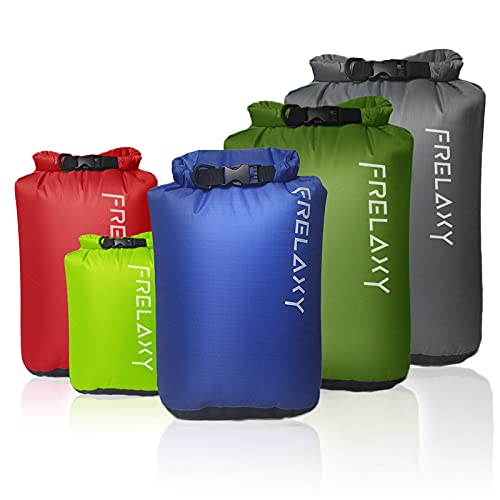
- 1TOP CHOICEBest overallFrelaxy Dry Bag 5 PackView on Amazon
- 2
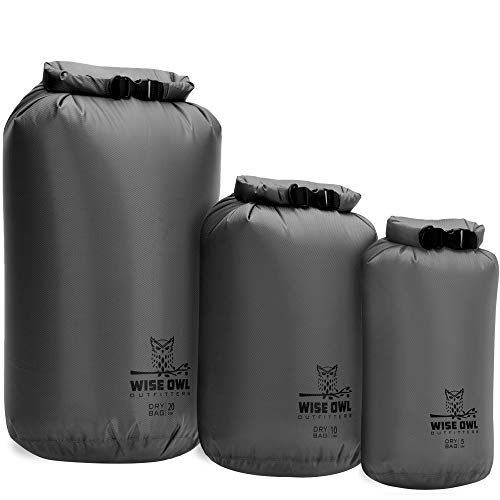 TOP CHOICEBest for multi-size organizationWise Owl Outfitters Waterproof Dry Bag 3-PackView on Amazon
- 3
 TOP CHOICEBest for lightweight packingFrelaxy Waterproof Dry Bag 2 PackView on Amazon
- 4
 Best for abrasion resistanceEarth Pak 20L Waterproof Dry BagView on Amazon
- 5
 Best for small gearPimoys Dry Bag 6-PackView on Amazon
- 6
 Best for a complete kitPimoys Dry Bag Waterproof 3 PackView on Amazon
Our Top Picks
| Product | Best for | Key feature |
|---|---|---|
| Frelaxy Dry Bag 5 Pack | Overall versatility | Five sizes, roll-top seal |
| Wise Owl Outfitters Waterproof Dry Bag 3-Pack | Multi-size organization | 5L, 10L and 20L bags |
| Frelaxy Waterproof Dry Bag 2 Pack | Lightweight packing | Diamond ripstop polyester |
| Earth Pak 20L Waterproof Dry Bag | Abrasion resistance | 500D PVC shell |
| Pimoys Dry Bag 6-Pack | Small gear | Sizes from 1.5L to 8L |
| Pimoys Dry Bag Waterproof 3 Pack | Complete kit | 6L, 10L and 20L bags |
Frelaxy Dry Bag 5 Pack
Frelaxy Dry Bag 5 Pack, Ultralight Waterproof Dry Sack for Outdoor Use | Durable material, Waterproof coating, Secure roll top closure, Lightweight, Compact storage, Hiking, camping, kayaking
Best for: Overall versatility across hiking, camping and paddling trips.
This set suits backpackers who want one system covering several gear volumes without buying separate bags.
Pros
- Waterproof coating on a durable fabric
- Secure roll-top closure that is easy to reseal
Cons
- Roll-top closures need full rolling each time to stay sealed
Wise Owl Outfitters Waterproof Dry Bag 3-Pack
Wise Owl Outfitters Waterproof Dry Bag 3-Pack – Lightweight & Airtight 5L/10L/20L Small & Large Dry Bags for Kayaking, Beach, Travel, Boating, Hiking
Best for: Multi-size organization of gear by category.
Backpackers who separate clothing, food and electronics will find the 5L, 10L and 20L range practical.
Pros
- Three sizes cover most backpacking loads
- Airtight roll-top design
Cons
- The 20L bag is bulky when only partly filled
Frelaxy Waterproof Dry Bag 2 Pack
Frelaxy Waterproof Dry Bag 2 Pack, Lightweight Ripstop Dry Sack Set | Diamond ripstop polyester, Waterproof coating, Secure roll top closure, Lightweight design, Hiking, camping, kayaking
Best for: Lightweight packing where every ounce counts.
Ultralight hikers who want protection without much added weight will appreciate the ripstop fabric.
Pros
- Diamond ripstop polyester resists tearing
- Light enough to add little to total pack weight
Cons
- Only two bags, so organizing a full kit takes extra sacks
Earth Pak 20L Waterproof Dry Bag
Earth Pak 20L Waterproof Dry Bag – Marine Roll Top Dry Sack for Kayaking | Forest Green 20L roll top dry bag: abrasion resistant 500D PVC for boating, paddleboarding, rafting and beach days
Best for: Abrasion resistance on rough terrain and rocky put-ins.
Backpackers who expect their bag to drag over granite, boat hulls or gravel will value the heavier shell.
Pros
- Abrasion-resistant 500D PVC construction
- Single large capacity for bulky sleeping bags
Cons
- PVC is heavier than ripstop nylon or polyester
Pimoys Dry Bag 6-Pack
Pimoys Dry Bag, 6-Pack Ultralight Dry Sack, Outdoor Roll Top Drybags | (1.5L, 2.5L, 3L, 3.5L, 5L, 8L)Lightweight, Keep Gear Dry Dry Bags for Rafting, Boating, Camping, Hiking, Swimming, Beach
Best for: Small gear such as phones, maps and cords.
Hikers who keep many small items separated will get use from the 1.5L through 8L range.
Pros
- Six sizes for fine-grained organization
- Lightweight roll-top bags
Cons
- Too many small bags can crowd a pack
Pimoys Dry Bag Waterproof 3 Pack
Pimoys Dry Bag Waterproof 3 Pack Lightweight Dry Sack, 6L&10L&20L Outdoor Stuff Sack, Durable Wet Dry Storage Bag for Hiking, Backpacking, Camping, Kayaking, Swimming, Boating- Green
Best for: A complete kit with mixed capacities in one set.
Backpackers building a full waterproofing system from a single purchase will find the 6L, 10L and 20L mix useful.
Pros
- Three capacities cover clothing, sleep gear and small items
- Durable wet-dry storage design
Cons
- Fewer sizes than the six-pack for very small items
Buying Guide
Capacity
Match bag volume to what you carry. A 5L bag suits electronics and small items, while a 20L bag holds a sleeping bag or a full change of clothes.
Closure Type
Roll-top closures seal best when you fold them at least three times and clip or buckle them. Check that the closure is simple to operate with cold or wet hands.
FAQ
How do roll top dry bags keep water out?
A roll top closure works by folding the open end over several times and then clipping or buckling it shut. Each fold traps air and creates a barrier that water has difficulty passing through. For best results, roll the top at least three times and keep the seam free of grit.
Is a dry bag fully waterproof if it is submerged?
Most dry bags are highly water resistant and hold up well in rain, splashes and brief immersion, but their protection depends on a properly sealed closure. Long submersion or a damaged seam can still let water in. Packing sensitive items inside a second bag adds an extra layer of safety.
What size dry bag should I use for backpacking?
Smaller bags in the 1.5 to 5 liter range suit electronics, maps and snacks, while larger bags around 10 to 20 liters work for sleeping bags and clothing. A mix of sizes lets you organize gear and keep wet and dry items separate. Think about what you need to protect before choosing a capacity.
Can a dry bag replace a pack liner?
A dry bag can serve as a liner for a backpack if it fits the pack’s interior shape and size. Many hikers use one large bag inside the pack to guard everything at once. Just be sure the bag is sized so it does not bunch up or stress the pack’s seams.
How should I clean and store a dry bag?
Rinse the bag with fresh water after use, especially after saltwater trips, and let it air dry completely before storing it. Store it loosely rolled or open rather than tightly compressed, which helps preserve the waterproof coating. Avoid harsh solvents, and check the seams and closure periodically for wear.
Are lightweight dry bags durable enough for rough trails?
Lightweight dry bags use thinner fabrics that save weight but may wear faster when rubbed against rock or brush. Heavier materials offer more abrasion resistance for rugged use. Matching the fabric weight to your typical terrain helps you balance weight savings against long-term durability.
Conclusion
If you want a flexible set of sizes for organizing a backpacking kit, the multi-pack options from Pimoys and Frelaxy are the most practical picks, with the Pimoys 6-pack offering the widest range of capacities. Hikers who need one larger bag for sleeping gear or a pack liner should look at the 20 liter choices from Earth Pak or Pimoys’ 3-pack.
Anyone prioritizing abrasion resistance for rougher trips or water-heavy adventures may prefer the heavier-duty Earth Pak bag, while those focused on minimizing pack weight will find the ultralight Frelaxy options most appealing. Match the number and size of bags to the gear you actually carry, and the right choice becomes clear.
Related reading
- 5 Best Backpacking Dry Bags for Hikers and Paddlers (2026)
- Z Pack Dry Bag Picks: 5 Best Options for Sailing and Paddling (2026)
- Yeti Sidekick Dry Waterproof Bag: How to Choose and Use It on the Water
About Audrey Hayes
Audrey Hayes is part of our editorial team and reviews and edits our sailing gear guides, checking product details against manufacturer specifications and owner feedback.
About the author
Audrey Hayes writes reviews and buying guides for Sailing The Web.